
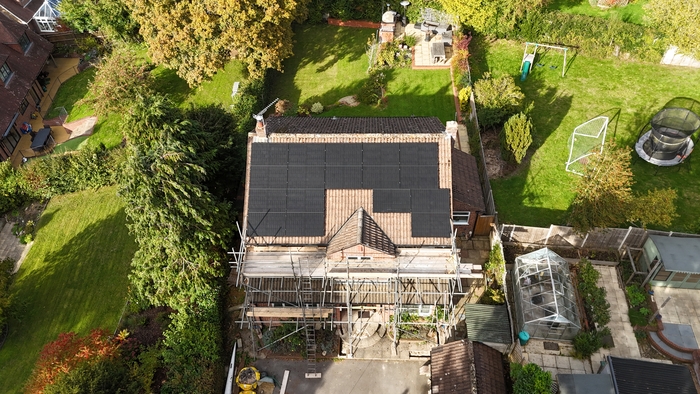
Solar energy has become one of the most talked-about renewable technologies in recent years. With energy prices fluctuating and sustainability becoming a priority for households and businesses alike, more people across Dorset and the wider UK are researching solar power as a long-term solution.
If you’re new to the topic, this guide explains what solar energy is, how it works, what it’s used for, and the advantages and disadvantages to consider before making the switch.
What Is Solar Energy?
Solar energy is power generated from sunlight. By capturing energy from the sun and converting it into electricity or heat, solar systems allow homes and businesses to produce their own renewable energy. The most common way this is achieved is through photovoltaic (PV) panels installed on rooftops or open land.
These systems have become increasingly popular because they provide a clean, renewable source of electricity that reduces reliance on fossil fuels and the national grid energy. In areas such as Dorset, where households are looking for sustainable energy solutions, installing solar panels is becoming a practical step towards lowering both carbon emissions and energy bills.
If you’re looking for an experienced provider to ensure your system is designed correctly for your property, we at Adept Renewables are here to help. Our team works closely with you to assess your home and energy usage to design a solar solution that delivers the best possible performance.
How Solar Energy Works
Solar panels contain photovoltaic cells that absorb sunlight. When sunlight hits these cells, it creates an electrical reaction that generates direct current (DC) electricity. This electricity then flows through an inverter, which converts it into alternating current (AC) that can be used in homes. If your panels produce more electricity than your home is using at a given time, the excess energy can either be exported to the grid or stored in a battery.
This is where energy storage becomes particularly useful. A solar battery installation allows households to store unused electricity generated during the day and use it later in the evening or during periods of low sunlight. This improves energy independence and ensures that more of the power your system generates is used within your home.
The Advantages of Solar Energy
One of the biggest benefits of solar power is its environmental impact. Solar energy is renewable and produces no direct carbon emissions when generating electricity. This makes it an effective way for households and businesses to reduce their carbon footprint.
Another key advantage is cost savings. While there is an initial investment required to install a solar system, many homeowners see reductions in their energy bills over time as they generate their own electricity.
Solar technology also increases energy independence. By generating electricity on-site and pairing panels with a solar battery system, households can rely less on the national grid and protect themselves from rising energy prices.
Finally, solar installations can increase property appeal. As energy efficiency becomes a more important factor for buyers, homes equipped with solar panels may stand out in the property market.
The Potential Drawbacks of Solar Energy
Although solar energy has many advantages, there are a few considerations to keep in mind. The upfront cost of installing solar panels can be significant, depending on the size of the system and whether battery storage is included. However, many homeowners view this as a long-term investment due to the potential savings on energy bills.
Solar performance can also vary depending on weather conditions and roof orientation. While modern panels still generate electricity on cloudy days, their output will be lower compared to bright, sunny conditions.
Another factor is space. Roof size and positioning affect how many panels can be installed and how much electricity the system can produce. This is why consulting with experienced solar pv installers is important. We will assess your property and recommend the most suitable system design.
Is Solar Energy Worth It?
For many households in Dorset and across the UK, solar energy represents a smart long-term investment. By generating renewable electricity, reducing reliance on the grid, and potentially lowering energy bills, solar panels offer both environmental and financial benefits.
The key to a successful installation lies in professional system design and quality components. Whether you’re exploring your options or considering an upgrade to your existing system, our team of Solar experts would be happy to help.
Get in touch with today by submitting our online form, calling 01202 986805 or emailing info@adeptrenewables.com.
